


- Home
- >
News
In self-leveling mortar applications, achieving both high flowability and structural stability remains a key challenge. Many manufacturers struggle with issues such as poor flow, surface cracking, and inconsistent strength, especially when trying to reduce water content. Traditional additives often fail to balance these requirements. Increasing water improves flow, but it also leads to lower strength, shrinkage, and surface defects. For flooring systems, this directly affects final quality and durability.
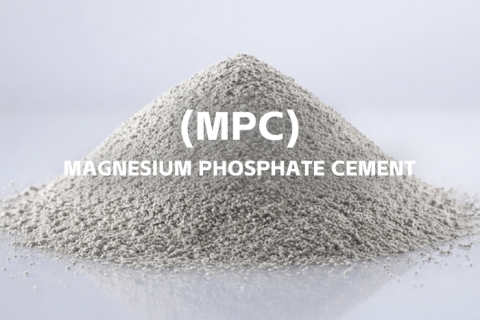
If you are searching for magnesium phosphate cement for sale that can harden in 1 hour and bond to old concrete without a primer, you have come to the right place. Our MPC rapid repair mortar is specifically designed for airport runways, highways, and railway sleepers – it reaches ≥30 MPa in just 1 hour and allows traffic to reopen within 3 hours.
Tile adhesive looks simple on paper. Cement, sand, a few additives, mix with water. But anyone who has watched a large-format tile slide down a wall thirty minutes after installation knows that the chemistry underneath matters enormously. The additive that makes or breaks tile adhesive performance in real construction conditions is HPMC cellulose ether — and not all grades perform the same way.
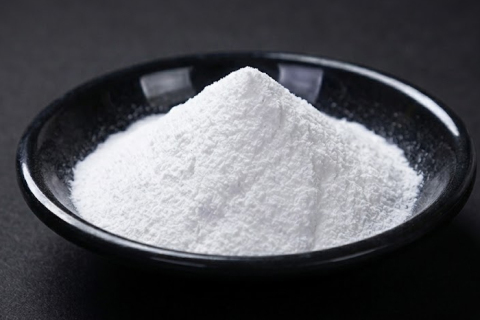
External Thermal Insulation Composite Systems — commonly referred to as ETICS or EIFS — represent one of the fastest-growing segments in the global construction chemicals market. As energy efficiency regulations tighten across Asia, the Middle East, and emerging markets, the demand for high-performance exterior insulation finishing systems is accelerating rapidly.
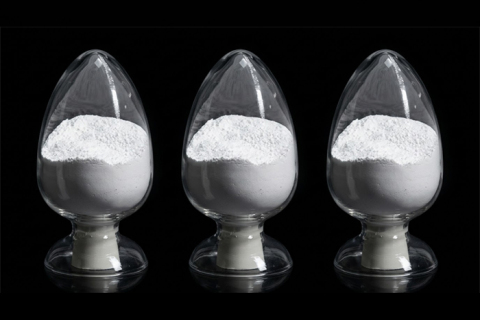
This article explores how these three additives function individually, how they interact within a mortar system, and why their combined use delivers results that no single component can achieve alone.
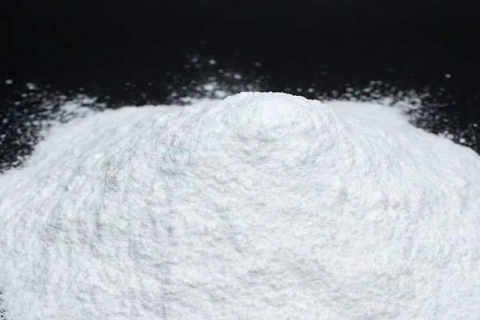
With the rapid development of modern construction, the demand for high-performance dry mix materials continues to grow. Traditional cement-based mortars often face challenges such as poor adhesion, cracking, and low flexibility. To solve these issues, VAE RDP Powder (Redispersible Polymer Powder) has become a key additive in polymer modified mortar systems. By improving bonding strength and flexibility, VAE Powder for Dry Mix Mortar is widely used in tile adhesives, insulation systems, and repair mortars.
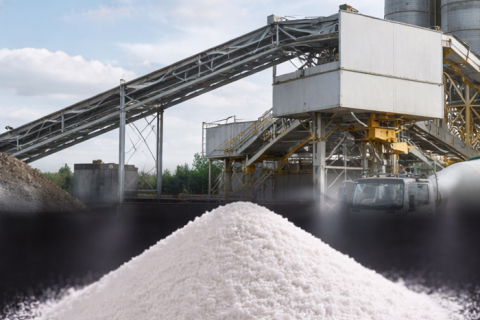
In modern construction projects, concrete manufacturers are required to produce high-strength, highly workable concrete while reducing water consumption. However, achieving both properties simultaneously is challenging.
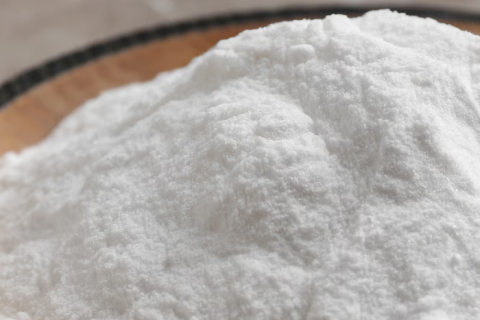
Self-leveling mortar is widely used in modern construction to create smooth and level flooring surfaces before installing tiles, vinyl flooring, or wooden floors. However, cracking is a common issue that may affect the durability of flooring systems. Understanding the causes of cracking and using proper additives such as Hydroxypropyl Methyl Cellulose HPMC can significantly improve mortar performance.
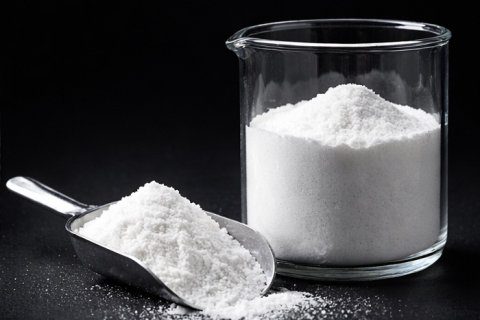
Redispersible Polymer Powder (RDP) is widely used in modern dry mix mortar and tile adhesive formulations. As a key construction additive, RDP powder improves adhesion, flexibility, crack resistance, and durability in cement-based building materials.
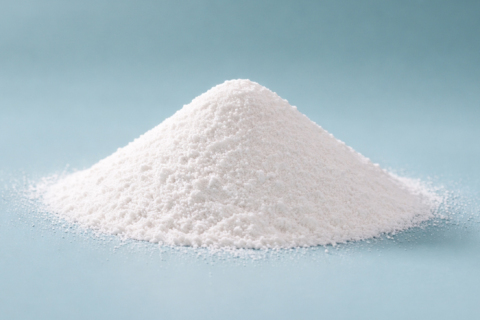
Polycarboxylate Superplasticizer Powder is a modern high-performance concrete admixture widely used in the construction industry. Compared with traditional water reducers, Polycarboxylate Ether Superplasticizer Powder provides higher water reduction efficiency, better dispersion of cement particles, and longer slump retention.
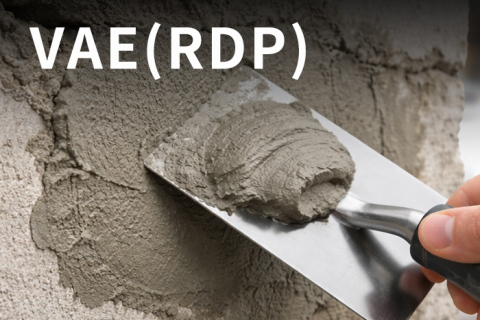
VAE Powder, also known as Redispersible Polymer Powder (RDP Powder), is a spray-dried vinyl acetate-ethylene copolymer used as a key modifier in dry mix mortar systems. When mixed with water, RDP Powder redistributes into a stable polymer emulsion, forming a flexible film within cementitious systems. This film enhances adhesion, flexibility, crack resistance, and durability.
In modern construction, cement manufacturers are increasingly using Lithium Carbonate Powder to improve performance and durability. Compared with traditional additives, Lithium Carbonate for Cement offers faster hydration activation and better durability control, especially in high-performance concrete systems. As infrastructure standards continue to rise, Lithium Carbonate Construction Grade materials are becoming a key additive in advanced cement formulations.