


- Home
- >
News
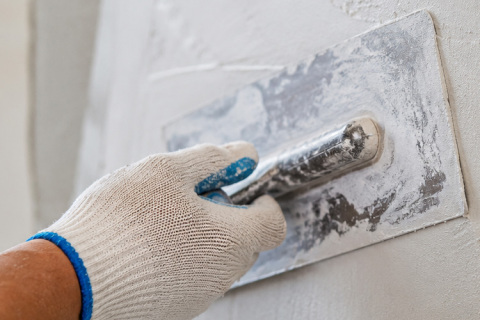
Gypsum based mortar systems present a different set of performance challenges compared to cement based systems. Gypsum sets faster, has lower tensile strength, and is more sensitive to moisture than Portland cement. These characteristics make polymer modification with VAE Redispersible Polymer Powder not just beneficial but necessary in gypsum plaster, gypsum self-leveling compound, and gypsum tile adhesive formulations where bond strength, crack resistance, and surface hardness are performance requirements that unmodified gypsum cannot meet alone.

Cement render that cracks within the first season, falls off facades during heavy rain, or develops uneven texture across a single wall is rarely a problem with the sand or cement ratio. In most cases, the cause is incorrect or insufficient Hydroxypropyl Methyl Cellulose in the render formulation. For dry mix mortar manufacturers and construction chemical producers supplying render products across Southeast Asia, Europe, and the broader Asian market, understanding exactly what HPMC does in render and how to select the correct grade prevents the most common and costly render failures in the field.
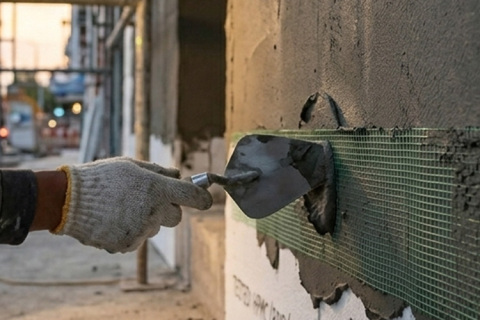
A well-performing EIFS base coat mortar depends on three additives working as a system. Hydroxypropyl Methyl Cellulose provides water retention and workability. Redispersible Polymer Powder provides flexibility and bond strength to insulation boards. Polycarboxylate Superplasticizer reduces water demand and improves application consistency. The HPMC RDP and PCE admixture combination is what separates a high-performance EIFS base coat from one that cracks, debonds, or fails under thermal cycling within the first year of service. When any one of the three is missing or incorrectly specified, the entire system underperforms in ways that are difficult to diagnose without understanding how the three components interact.
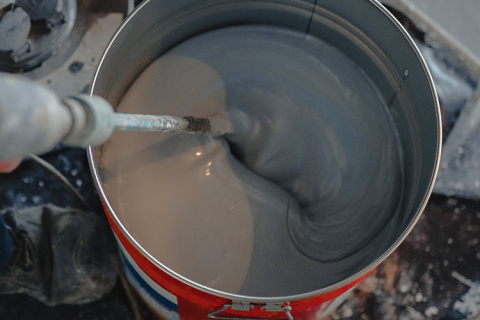
For dry mix mortar manufacturers across Southeast Asia, South Asia, and Europe, batch-to-batch consistency determines customer retention and brand reputation. When mortar performance varies without any change to the formulation, the root cause is almost always one ingredient: Polycarboxylate Superplasticizer Powder. This article covers the four most common dry mortar production problems caused by inconsistent PCE powder and how selecting the right grade eliminates them.
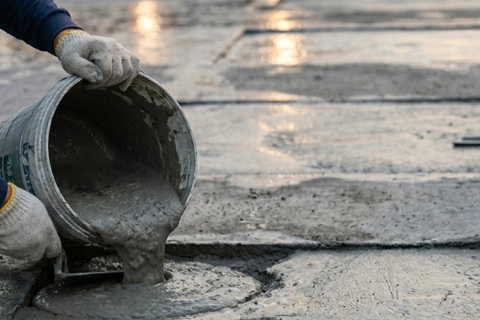
A road repair that lasts three months is not a repair. It is a recurring cost. For highway maintenance contractors, municipal road authorities, and infrastructure operators across Southeast Asia, Europe, and Asia, the cycle of patching the same pothole or joint failure every season is one of the most persistent operational problems in pavement maintenance. The patch material cures too slowly, cannot open to traffic before it reaches adequate strength, shrinks away from the existing pavement at the edges, or simply cannot withstand the repeated dynamic loading of heavy vehicles before failing again.
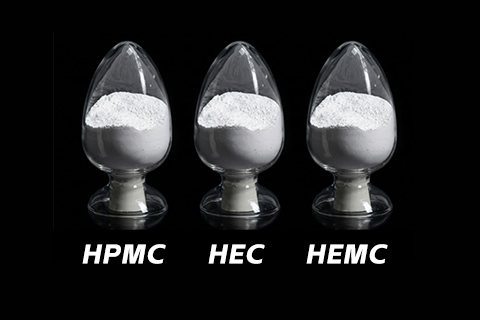
Walk into any dry mix mortar formulation discussion and the same question comes up repeatedly: should this product use HPMC, HEC, or HEMC? All three are cellulose ethers, all three provide water retention and thickening, and all three are sold by suppliers claiming their grade is the best fit. For dry mortar manufacturers and construction chemical formulators across Southeast Asia, Europe, and Asia, choosing the wrong cellulose ether means reformulation, wasted trial batches, and finished products that underperform in the field. This article explains the real chemical differences between Hydroxypropyl Methyl Cellulose, Hydroxyethyl Cellulose, and Hydroxyethyl Methyl Cellulose, and which one fits which application.
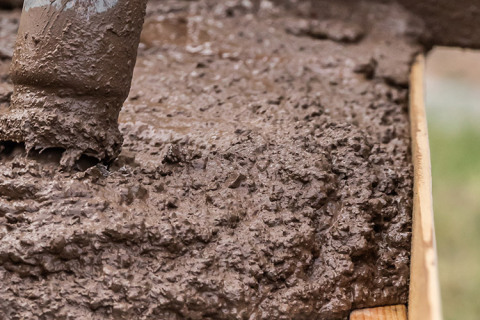
Lithium Carbonate, carrying CAS number 554-13-2, is an inorganic lithium salt with the chemical formula Li2CO3. In construction chemistry, it functions as a lithium carbonate cement accelerator by speeding up the hydration reaction between cement and water, promoting early formation of calcium silicate hydrate phases that give cementitious systems their strength. The result is faster setting time, higher early compressive strength, and shorter waiting time before a repaired or newly placed surface can return to service.
Repair mortar that cracks within weeks of application, loses bond to the substrate under vibration, or shrinks away from the edges of a repair patch is not a minor quality issue. It means rework, warranty claims, and loss of repeat business. For dry mix mortar manufacturers and construction chemical producers across Southeast Asia, Europe, and Asia, these failures consistently trace back to one missing or incorrectly dosed ingredient: Redispersible Polymer Powder.
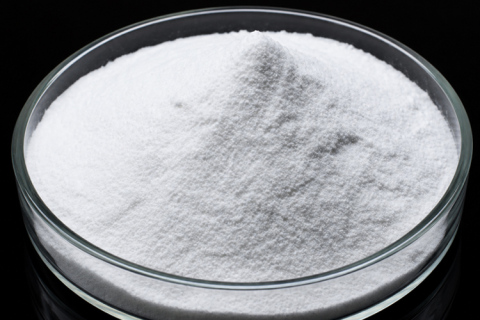
Redispersible Polymer Powder, known as RDP powder with CAS number 24937-78-8, is a spray-dried vinyl acetate-ethylene copolymer that redissolves in water during mixing and forms a flexible polymer film inside hardened mortar. In EIFS base coat and finish coat render, RDP powder is the additive that prevents cracking under thermal movement and provides the bond strength required for mesh-reinforced systems on exterior insulation boards.
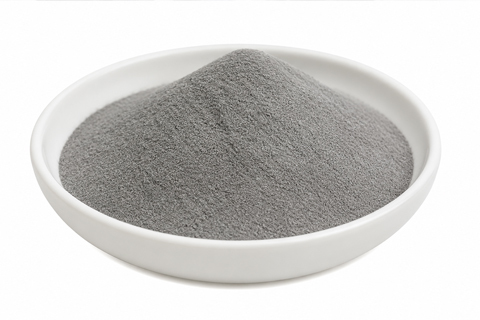
When a concrete structure needs to return to service in hours rather than days, standard Portland cement is the wrong material. It cannot reach structural strength in under 24 hours. It cannot harden at sub-zero temperatures. It cannot bond reliably to existing concrete at the tensile strength levels required for structural repair. Magnesium Phosphate Cement solves all three of these limitations simultaneously, making it the standard rapid hardening repair material for infrastructure, industrial, and cold-climate construction applications worldwide.
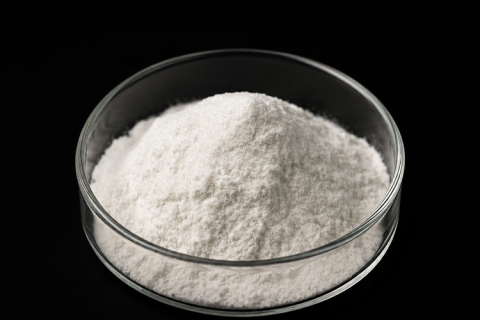
A self-leveling compound that bubbles, cracks, or fails to flow evenly across the floor surface is not a minor inconvenience. It means ripping out the entire pour, grinding the substrate, and starting over. For flooring contractors and dry mortar manufacturers across Southeast Asia, Europe, and Asia, the cost of a failed self-leveling pour is measured in wasted material, lost labor, project delays, and damaged customer relationships. In most cases, the failure traces back to one incorrectly specified or inconsistently supplied ingredient: Hydroxypropyl Methyl Cellulose.
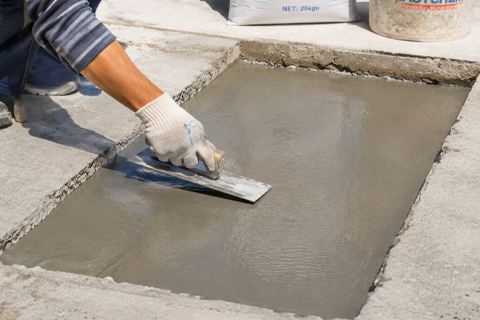
When a runway needs to reopen in two hours. When a highway repair cannot wait for a three-day cure. When a bridge expansion joint fails in the middle of winter at minus 15 degrees Celsius. Standard Portland cement-based repair mortars cannot meet these demands. Setting time measured in hours, cure time measured in days, and complete inability to harden in freezing temperatures make conventional repair materials the wrong tool for emergency and time-critical infrastructure repair.